
EURALIMMS26
Program Schedule
- Workshop Room B103, Building 39, SNU
- Lunch & Banquet Rakgujung Restaurant, Building 38, SNU
| 6/15 (Mon) | 6/16 (Tue) | 6/17 (Wed) | |
|---|---|---|---|
| 8:00 - 8:45 | Registration | Registration | Registration |
| 8:45 - 9:00 | Opening Remarks | ||
| 9:00 - 9:50 |
Plenary Talk (E)
(Session chair: Prof. Gyu-Sub Lee) Yong-Su Na SNU |
Plenary Talk (B)
(Session chair: Prof. Seung Ah Lee) Junsang Doh SNU |
9:00-9:30
EURALIMMS27 Announcement
9:30-10:45 Young Scientist Talks (Session chair: Dr. Jihee Park) Paul Bruand Audrey Cochard Elouan Julien Sungyeol Kwak Emma Brix 10:45-11:00 Break |
| 9:50 - 10:30 |
Invited Talks (molecule)
(Session chair: Prof. Sung Jae Kim) Soo Hyeon Kim UTokyo Yannick Coffinier IEMN |
Invited Talks (Nanoelectronics)
(Session chair: Prof. Sung Jae Kim) Qing-Tai Zhao FZ Nicolas Clément LIMMS/CNRS-IIS |
|
| 10:30 - 11:00 | Break | Break | |
| 11:00 - 12:00 |
Invited Talks (environment)
(Session chair: Prof. Jungwon Park) Jungwon Park SNU Hu Zhao NTU Yuya Uzumaki NTT |
Invited Talks (Soft matter)
(Session chair: Prof. Joon Ho Kang) Beomjoon Kim LIMMS/CNRS-IIS Aya Tanaka NTT Wonryung Lee SNU |
Young Scientist Talks
(Session chair: Prof. Sung Jae Kim) Jihee Park Shin-Yeong Kim Ikcheon Na Yu Jae Jang |
| 12:00 - 13:00 | Lunch | Lunch | Lunch |
| 13:00 - 14:00 |
Invited Talks (brain)
(Session chair: Prof. Noo Li Jeon) Andreas Offenhäusser FZ Seongjun Park SNU Guilhem Larrieu LAAS Gilgueng Hwang LIMMS/CNRS-IIS |
Invited Talks (transport)
(Session chair: Prof. Sung Jae Kim) Masahiro Nomura UTokyo Sebastian Volz CNRS Shao-Yu Chen NTU |
Closing Remarks |
| 14:00 - 14:20 | Campus Tour | ||
| 14:20 - 17:30 | Adjourn for the day | ||
| 17:30 - 20:00 | Banquet |
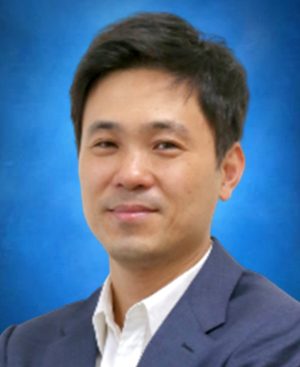
Prof. Yong-Su Na
Physics, Technology, and the Race to Commercial Energy
Abstract
This lecture provides an overview of the scientific and technological foundations of nuclear fusion, together with its current status and future prospects. It begins with the basic principles of fusion, including the conditions under which light nuclei can overcome Coulomb repulsion and release energy through fusion reactions. It then introduces the principles of plasma confinement required to realize fusion on Earth, with an emphasis on magnetic confinement. The operating principles of the tokamak, the most extensively developed magnetic confinement concept, are subsequently described, along with the main methods used to heat plasma to fusion-relevant temperatures, such as ohmic heating, neutral beam injection, and radio-frequency heating. In addition, two major fusion programs, KSTAR and ITER, are introduced as representative examples of present-day efforts to advance fusion science and reactor-relevant technology. This lecture also reviews the broader global landscape of fusion research, including recent progress in both public and private sectors. Particular attention is given to the rapid emergence of numerous fusion start-up companies and the large-scale investments they have attracted from major investors, reflecting growing expectations for fusion as a next-generation energy source. Finally, the outlook for fusion energy is examined in light of its remaining scientific and engineering challenges, as well as its potential role in a carbon-free energy future.
Biography
Yong-Su Na is a professor in the Department of Nuclear Engineering at Seoul National University, where he has served on the faculty since 2008 and currently holds leadership roles including department head of Nuclear Engineering and Energy Systems Engineering. He received his B.S. and M.S. in nuclear engineering from Seoul National University and his Ph.D. in plasma physics from the Technical University of Munich and the Max-Planck-Institute for Plasma Physics in Germany. Following postdoctoral appointments at the Max-Planck-Institute and the National Fusion Research Institute, he continued his career there as a senior researcher before joining academia. His research focuses on tokamak fusion plasma operation, including integrated simulation and control, turbulence and confinement physics, and the design of commercial fusion power systems. He has also contributed to international fusion research leadership, serving in roles such as chair of the International Tokamak Physics Activity (ITPA) Integrated Operation Scenarios (IOS) topical group and as a member of the International Thermonuclear Experimental Reactor (ITER) Science and Technology Advisory Committee. He has received multiple honors, including the Seoul National University Academic Research and Education Award and ministerial commendations for his contributions to fusion science and engineering.

Prof. Soo Hyeon Kim
Abstract
Liquid biopsy is a minimally invasive approach for cancer diagnosis using blood samples; however, detecting rare cancer-related cells among abundant background components remains challenging. To address this, we developed advanced microfluidic systems for highly sensitive single-cell analysis using parallelized microreactors. I present microreactor arrays integrating electrostatic trapping, transistor-based cell manipulation, surface modification, and electrochemical sensing. Using ferrocene-modified DNA aptamers targeting epithelial cell adhesion molecule (EpCAM), we achieved label-free electrochemical detection of membrane proteins on individual cancer cells. By immobilizing aptamer sensors in microwells comparable in size to single cells, the system enables scalable single-cell resolution analysis. Additionally, I introduce a two-dimensional flow cytometer (2DFC) based on a Single Photon Avalanche Diode (SPAD) array embedded in a microfluidic channel, allowing high-throughput and parallel fluorescence detection of target cells. The system successfully detects fluorescently labeled cancer cells in flow. These platforms enable sensitive and continuous detection of cancer biomarkers in blood, providing a promising approach for precise liquid biopsy and personalized medicine.
Biography
Soo Hyeon Kim is an Associate Professor at the Institute of Industrial Science, the University of Tokyo. He conducted his Ph.D. research in the Department of Precision Engineering, the University of Tokyo, from 2007 to 2010. He then continued his research as a Postdoctoral Fellow—first at the Institute of Industrial Science until 2011, and later at the Graduate School of Engineering until 2013. He served as a Project Research Associate (2013–2015) and a Research Associate (2015–2018) at the Institute of Industrial Science, the University of Tokyo. From 2017 to 2021, he was a PRESTO Researcher at the Japan Science and Technology Agency. He was appointed as a Lecturer at the Institute of Industrial Science, the University of Tokyo, from 2018 to 2025, and has served as an Associate Professor since 2025.

Dr. Yannick Coffinier
Abstract
Mass spectrometry has become an indispensable analytical tool for the detection and identification of small molecules across fields ranging from environmental monitoring to biomedical diagnostics. However, conventional matrix-assisted approaches often suffer from background interference in the low mass range, limiting their effectiveness for the analysis of small compounds. In this context, nanostructured materials have emerged as promising alternatives for surface-assisted laser desorption/ionization mass spectrometry (SALDI-MS). This presentation will highlight recent advances in the design of nanomaterial-based platforms for SALDI-MS detection. Particular emphasis will be placed on the role of nanostructured surfaces, such as porous silicon, graphene-derived materials, diamond and metal oxide nanostructures in promoting efficient laser energy absorption, analyte confinement and controlled ion generation. Beyond their intrinsic optical and thermal properties, the surface chemistry of these materials plays a critical role in modulating analyte adsorption and capture, wettability and local concentration effects. By combining nanostructured materials with tailored interfacial chemistries and micro/nanofabrication strategies, it becomes possible to develop highly sensitive analytical substrates compatible with miniaturized or lab-on-chip systems. Such approaches open new perspectives for rapid detection of small molecules in complex matrices and for the integration of mass spectrometry with emerging microanalytical technologies.
Biography
Yannick Coffinier is a research scientist at the Institute of Electronics, Microelectronics and Nanotechnology (IEMN, CNRS UMR 8520) in Villeneuve d’Ascq, France. His research lies at the interface of nanomaterials, surface chemistry and bioelectronics, within the NCM group (Nanostructures, nanoComponents & MoleculesNanocomponent). He received his PhD in biochemistry, where he worked on blood proteins and developed analytical methods for their purification and separation in the context of autoimmune diseases. His research now focuses on the synthesis and engineering of nanostructured materials such as diamond, graphene, silicon and ZnO nanostructures. By combining advanced materials with tailored surface chemistries, he develops functional biointerfaces for sensing and bioanalytical applications. His work includes the design of electrical, SERS and SALDI-MS sensors integrated into lab-on-chip systems. More recently, his research has expanded toward bioelectronic platforms and organ-on-chip devices, enabling the monitoring and modulation of biological systems such as neuronal networks and epithelial barriers.
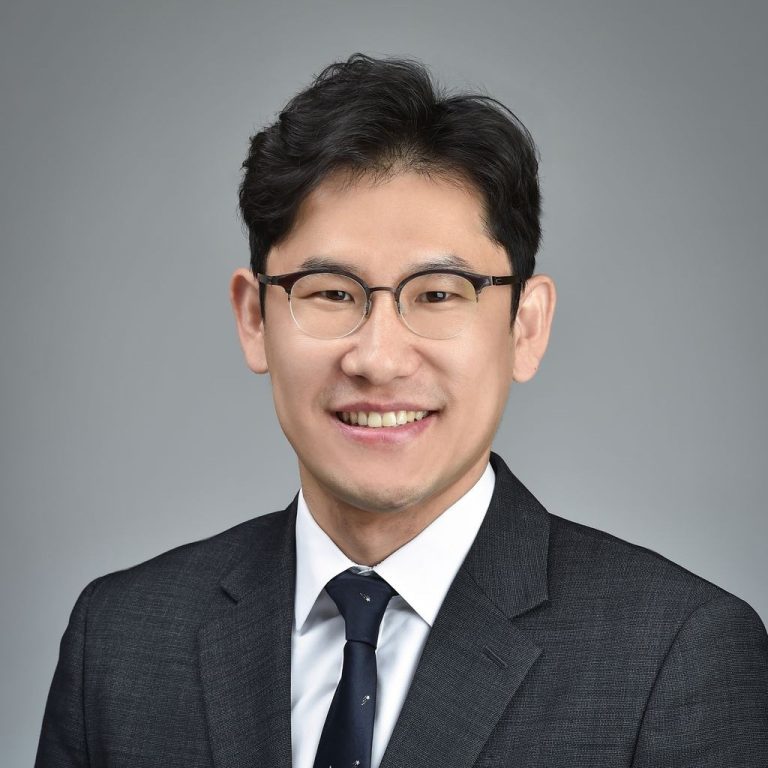
Prof. Jungwon Park
Abstract
Hydrogen-storage chemicals such as ammonia and liquid organic hydrogen carriers (LOHCs) are promising platforms for enabling flexible and scalable hydrogen utilization in sustainable energy systems. In this talk, I will discuss the role of thermal and catalytic chemistry in future hydrogen and carbon utilization technologies from a systems perspective. Particular emphasis will be placed on catalyst and reactor design for efficient hydrogen release from LOHCs such as methylcyclohexane (MCH), as well as ammonia cracking systems for distributed hydrogen production. The presentation will introduce recent advances in catalyst development, including nanostructured catalysts with improved activity and long-term durability under continuous operation. In addition, I will discuss emerging approaches utilizing localized and electrified heating methods for enhancing reaction efficiency and system responsiveness. Beyond hydrogen production, the talk will also explore broader “Carbon-to-X” concepts, where carbon-containing feedstocks are converted into value-added chemicals and sustainable fuels rather than emitted as CO₂. These integrated approaches aim to bridge catalyst discovery, reaction engineering, and scalable energy systems toward practical and sustainable energy utilization.
Biography
Prof. Park is currently a Professor at Seoul National University, Seoul, Korea. His research field of interest is physical chemistry of nanomaterials and in situ electron microscopy. He started his professional career as an Assistant Professor in the School of Chemical and Biological Engineering at Seoul National University (2016-present), after a postdoc and a research associate at the School of Engineering and Applied Sciences, Harvard University. He is jointly affiliated in the Center for Nanoparticle Research, Institute for Basic Science, as a Research Associate. He has received various prestige awards such as Korea Presidential Award for Young Scientists in 2020, The 3rd Hanseong Science Award in 2020, and Wiley-KCS Young Chemist Award in 2021. He serves as an advisory board member for iScience, cell press and an early career advisory board member for ChemNanoMat (Wiley). He received the B.S. degree from the department of Chemistry at POSTECH, Korea in 2003. He then received the Ph.D. from the department of Chemistry at the University of California, Berkeley in 2012.
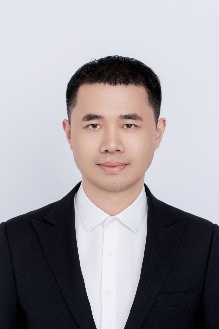
Dr. Hu Zhao
Abstract
The transition to sustainable hydrogen production requires pathways that are not only low-carbon but also resource-efficient and economically viable. Here, we report a solar-driven mechano-electro-bioprocess that converts sewage sludge into carbon-negative hydrogen and value-added protein, providing a circular alternative to conventional water electrolysis. By replacing the energy-intensive oxygen evolution reaction (OER) with selective electroreforming of sludge-derived organics, the system significantly reduces energy demand while enhancing process safety.
Alkaline mechanochemical pretreatment enables near-complete solubilization of sludge-bound organics and immobilization of heavy metals, facilitating downstream electrochemical and biological processing. Using hierarchically porous Ni-based catalysts under photovoltaic powering, the system achieves high hydrogen production rates (13-14 L h-1), ~10% solar-to-hydrogen efficiency, and >95% Faradaic efficiency, with OER contribution greatly suppressed. The resulting volatile fatty acid-rich stream is further upgraded by purple phototrophic bacteria into single-cell protein (SCP), achieving >63% carbon recovery.
Life-cycle and techno-economic analyses demonstrate carbon-negative performance and competitive hydrogen costs when co-products are valorized. This integrated platform establishes a scalable and modular approach for coupling wastewater treatment with renewable hydrogen generation, directly aligning with circular economy principles and future decentralized hydrogen infrastructures.
Biography
Dr. Hu Zhao is a Research Fellow at Nanyang Technological University (NTU), Singapore, specializing in sustainable chemistry, waste-to-hydrogen technologies, and electro-bioprocessing systems. His research focuses on integrating electrochemical, biological, and solar-driven processes to valorize complex waste streams into clean energy and high-value products. He obtained his Ph.D. from NTU and has authored over 20 peer-reviewed publications in leading journals, including Nature Water, Nature Communications, and Advanced Energy Materials.
Dr. Zhao has actively contributed to multidisciplinary research programs in collaboration with major funding agencies and industry partners, including A*STAR, ExxonMobil, Nanofilm Technologies, and the Alliance to End Plastic Waste. His work has led to patented technologies and emphasizes translational impact, bridging fundamental catalysis with scalable environmental engineering solutions for circular economy and carbon-neutral energy systems.

Dr. Yuya Uzumaki
Abstract
NTT group has formulated a vision for zero environmental impact and declared its intention to achieve carbon neutrality by 2040. From that point of view, we are working on the development of artificial photosynthesis technology that combines NTT’s knowledge of semiconductors and electrochemistry. The artificial photosynthesis is a technique that uses sunlight to produce fuels from CO2 and water, and we expect this approach to be promising for CO2 recycling. We are conducting research and development aimed at improving the conversion efficiency from sunlight to hydrocarbons by developing a direct reduction system for gas phase CO₂ using gallium nitride (GaN)-based materials as the photoelectrode and gold fibers as the CO₂ reduction electrode. Furthermore, we are investigating the formation of a nickel oxide protective layer on GaN-based electrodes with the aim of suppressing GaN-based degradation, which is critical for improving device durability. In this presentation, we will discuss the progress made in improving conversion efficiency and durability through research on electrode structures, as well as outdoor experimental equipment designed for practical applications and the results of its evaluation.
Biography
Yuya Uzumaki is the Senior Research Engineer at Device Technology Labs, NTT, Inc. He is engaged in research and development aimed at improving the efficiency and durability of carbon dioxide conversion using the sunlight through artificial photosynthesis, with the goal of utilizing carbon dioxide as a resource. In particular, he is focusing on controlling the physical properties and electrode structures using gallium nitride (GaN)-based materials, and on the research and development of nickel oxide protective layers to suppress the degradation of GaN-based. He is also working to understand the reaction mechanisms at the electrode surface by electrochemical evaluations. He received a Ph.D. in engineering in 2025. He is a member of the Electrochemical Society of Japan (ECSJ).

Prof. Andreas Offenhäusser
From Nanostructured to Flexible Electrodes
Abstract
Neural electrodes are the core components of neuroelectronic devices, enabling the recording and stimulation of neural activity. Our research focuses on three primary areas: (1) the design and characterization of the neuron-electrode interface, (2) the influence of asymmetric microchannels on engineered neuronal circuits, and (3) the development of flexible neural interfaces for both in vivo and in vitro applications.
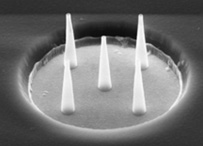
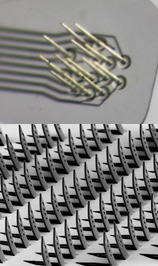
Microelectrode arrays (MEAs) link neurons and electronic systems, but current MEAs face challenges. To address these, we are developing nanomaterial-based MEAs, offering enhanced properties, leading to better cell-electrode coupling. Our hybrid structure combines vertical nanostraws and nanocavities (Fig. 1), enabling stable, non-invasive, long-term recording at sub-threshold resolution. [1]
Taylor et al. demonstrated that microfluidics is the most effective method of controlling axon guidance and connect with different neuronal populations. Combining them with microelectrode arrays (MEAs) allows to study how neurons function over time. Here we aim to characterize the impact of asymmetric microchannels on neuronal circuits in the lab and show how they affect activity profiles and the ratio of forward- vs. backward-propagating spikes.
Implantable neural prosthetic devices provide access to neural circuits and are important for brain-machine interfaces. We explore architectures, materials, and strategies for performance, aiming for acute and chronic in vivo applications. We use thin-film technology, surface micromachining, additive manufacturing, electrodeposition, kirigami, key-locking, and stacking with key-lock systems. These technologies support versatile applications ranging from epilepsy models and visual prosthetics to bidirectional communication along the visual pathway (Fig.2).[2,3].
Biography
Prof. Offenhäusser has earned his Ph.D. in Physics from the University of Ulm in 1989, followed by industry experience developing power transistors at Robert Bosch GmbH. This was followed by a period as a postdoctoral researcher at RIKEN in Japan and as a group leader at the Max Planck Institute for Polymer Research in Mainz. Since 2001, he is director of the Institute of Bioelectronics (IBI-3) at Forschungszentrum Jülich. He has also served as the program and topic spokesperson for the program-oriented funding of the Helmholtz Association. He has established collaborative platforms with international institutions, including joint laboratories with the Chinese Academy of Sciences, as well as positions as a visiting professor at the Tokyo Institute of Technology and the Chinese Academy of Sciences. He has served on numerous boards and received several honors.
Prof. Seongjun Park
Abstract
Understanding and controlling the dynamics of neural systems requires developing technologies that can record the signals used by neurons and control neural systems. However, current engineering technologies for this purpose have limitations in many factors, such as the lack of cell-specific stimulation for precise control, severe invasiveness and bio-incompatibility that are difficult to apply to actual medical treatment. Therefore, developing a new micro-interface system that is biocompatible while fully exerting multi-functionality and can precisely manipulate and monitor nerve activity is a major demand in the current biomedical and brain engineering fields. In this presentation, I would like to introduce a flexible and stretchable fiber-based probe for interfacing with neural systems. Various materials including polymer, hydrogel, carbon nanotube, and liquid metal will be incorporated with new manufacturing skill called thermal drawing process (TDP), which enables multifunctional fibers for multimodal neural investigation by optogenetic modulation, electrophysiological recording, and microfluidic delivery. Through this technology, I also intend to predict the appearance of future biomedical devices in neural fields such as ultra-long-term brain-machine interface. The technologies to be introduced in this presentation will not only contribute to human health and well-being by enabling natural interfacing between neural circuits and external machines/computers, but are also expected to contribute to the development of a future with hyper-connectivity.
Biography
Seongjun Park received the B.S. degree in Mechanical and Aerospace Engineering from Seoul National University in 2013, and the M.S. degree in Mechanical Engineering and the Ph.D. degree in Electrical Engineering and Computer Science from the Massachusetts Institute of Technology (MIT) in 2015 and 2018, respectively. He was previously an Assistant/Associate Professor in the Department of Bio and Brain Engineering at the Korea Advanced Institute of Science and Technology (KAIST). He is currently an Associate Professor at the School of Transdisciplinary Innovations and the College of Medicine, Seoul National University. His research interests include the development of biomedical and neural interfaces using fibers and soft materials for neural investigation, sensory/motor restoration, electrical medicine, and tissue engineering.
Dr. Guilhem Larrieu
Abstract
Understanding how neuronal networks function remains a key challenge in neuroscience. In vivo experiments provide valuable insights but are often limited by the complexity of brain tissue and the difficulty of isolating specific signals. In contrast, in vitro models offer a more controlled environment, allowing detailed investigation of neuronal activity at the cellular and network levels. However, current techniques still have important limitations. Fluorescent probes can induce phototoxic effects and are not well suited for long-term measurements, while conventional planar microelectrode arrays (MEAs) typically suffer from weak coupling with cells, leading to low signal amplitudes.
In this context, 3D nanoelectrode arrays (NEAs) have emerged as a promising approach to improve bioelectronic interfacing. By introducing vertical nanostructures and optimizing electrode materials at the nanoscale, it is possible to enhance the interaction with neuronal membranes and significantly improve signal quality. These devices enable stable, high-resolution recordings over long durations, at both the single-cell and network scales.
In this talk, I will present recent developments of NEA platforms, from device design to system-level integration, including their coupling with CMOS circuits for high-density recordings. I will also discuss applications to neuronal cultures, neurodegenerative models, and more complex systems such as brain organoids and human iPSC-derived neurons.
Biography
Guilhem Larrieu is Director of Research at CNRS, working at LAAS-CNRS laboratory in Toulouse (France) and Research Fellow at the University of Tokyo (Japan). He is leading an activity on Nano-&Neuro-Electronics (NNE lab) aiming at developing advanced devices based on functional nanostructures for ultimate nanoelectronics (logic & memory applications) and for innovative biosensor platforms in particular for neural interfacing. Guilhem Larrieu received a Ph.D. degree in Electronics in 2004 (Univ. Lille), then obtained a post-doctoral fellowship at the University of Texas at Arlington (UTA). In late 2005, he secured an independent researcher position at IEMN-CNRS laboratory in Lille on MOS transistor technology. In 2010 he moved to LAAS-CNRS to establish a new research axis on vertical nanowire based-devices. From 2019-2021, he was an Invited Researcher at the University of Tokyo to extend its nanoelectrode concepts to interface with high resolution human organoids. He has co-authored +100 publications in peer reviewed journals and 15 patents. He has served on Conference Committees of IEEE IEDM, IEEE ESSERC, IEEE NMDC, DATE, E-MRS and expert for several international funding agencies.
Prof. Gilgueng Hwang
Abstract
Magnetically actuated soft swimmers have recently emerged as promising tools for active transport and manipulation in microfluidic environments. In this work, we present a multiscale approach that combines millimeter-scale experimental systems with microscale concepts toward on-chip integration.
We first demonstrate the design and actuation of soft magnetic swimmers capable of controlled propulsion under rotating magnetic fields. The swimmers exhibit robust locomotion and precise trajectory control in low Reynolds number regimes. Using these capabilities, we achieve selective transport and manipulation of microscale objects, including particles and droplets, highlighting their potential for programmable material handling.
Beyond proof-of-concept demonstrations at the millimeter scale, we discuss the extension of these principles toward microscale swimmers compatible with microfabricated environments. This multiscale strategy bridges experimental performance and integration into microfluidic platforms. In particular, magnetically driven swimmers enable active transport without fixed channel architectures or external pumping systems, offering a flexible alternative for lab-on-a-chip technologies.
The presented results demonstrate the feasibility of microswimmer-based transport and manipulation as key functional elements in future active microfluidic systems. This work opens new perspectives for reconfigurable on-chip operations, with potential applications in bioanalysis, diagnostics, and artificial organ systems.
Biography
Gilgueng Hwang is a CNRS research scientist (Chargé de Recherche) affiliated with LIMMS (CNRS–The University of Tokyo), an international joint research laboratory between CNRS and the University of Tokyo. He received his B.S. degree in electrical engineering from Yonsei University, and his M.S. and Ph.D. degrees from The University of Tokyo. He conducted collaborative research at ETH Zurich and later worked as a postdoctoral researcher at ISIR, Sorbonne University. Since 2010, he has been with CNRS, working on micro/nanosystems and bio-integrated devices. His research interests include microrobotics, micro/nanofabrication, microfluidics, lab-on-a-chip systems, and artificial organs, with a particular focus on magnetically actuated microswimmers and active microfluidic systems.
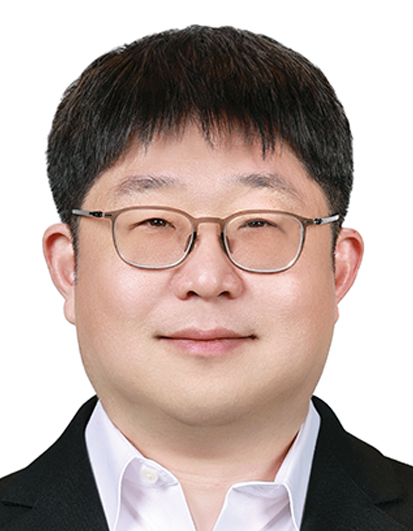
Prof. Junsang Doh
Abstract
Cancer immunotherapy has recently been successful in the treatment of various types of tumors. Cytotoxic lymphocytes, including cytotoxic T lymphocytes (CTLs), natural killer (NK) cells play an essential role in elimination of tumors by directly killing tumor cells. Therefore, evaluation of lymphocyte cytotoxicity against tumor cells is critical for the improvement of cancer immunotherapy. Lymphocyte cytotoxicity is a strictly regulated function requiring a multi-step “checkpoint” to minimize normal cell damage. First, cytotoxic lymphocytes migrate to tumor sites and make close contact with tumor cells (trafficking). Second, cytotoxic lymphocytes recognize distinct signatures of tumor cells and make stable contact with tumor cells (recognition). Third, cytotoxic lymphocytes exert cytotoxicity by exocytosis of lytic granules containing cytotoxic molecules, including perforin and granzyme B, to lysis tumor cells (execution). Lastly, cytotoxic lymphocytes successfully performed cytolysis of tumor cells detach from dead cells and re-engage tumor cells to perform further cytotoxicity (detach and re-engage). However, current cytotoxicity assays mostly provide information about final outcomes of cytotoxicity. To overcome this limitation, we are developing new assays that allow “stepwise” evaluation of lymphocyte cytotoxicity using dynamic imaging and microfabrication techniques.
Biography
Junsang Doh is a Professor in the Department of Materials Science and Engineering at Seoul National University, Korea. He received his bachelor’s degree in Chemical Engineering from Seoul National University in 1999. He then moved to MIT for his graduate work with Prof. Darrell J. Irvine in the development polymeric biomaterials for the study of immunological synapses, and received his PhD in 2006. As a postdoctoral researcher, Dr. Doh studied homotypic interactions among activating T cells using multi-photon imaging in the laboratory of Max Krummel at UC San Francisco from 2006-2008. He worked for POSTECH (2008 ~ 2019) with a joint faculty appointment in Interdisciplinary Bioscience and Bioengineering (I-Bio) and Mechanical Engineering, and in 2019, he joined Seoul National University as an associate professor. Prof. Doh's group develops engineering tools, including novel polymeric biomaterials and lab-on-a-chip technology, for immune-engineering.
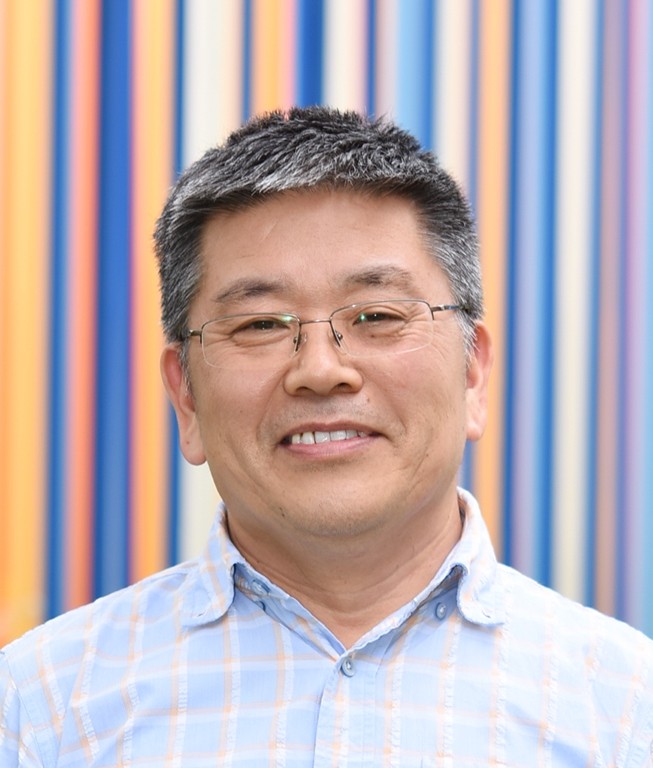
Prof. Qing-Tai Zhao
Abstract
Neuromorphic computing (NC) aims to emulate the efficiency of the human brain by employing artificial synapses and neurons implemented with semiconductor devices, enabling energy-efficient large-scale data processing. Functional neural networks require both excitatory and inhibitory synapses. However, conventional CMOS-based implementations typically rely on a large number of transistors, capacitors, and resistors, resulting in increased circuit complexity, limited integration density, and higher energy consumption. Ferroelectric field-effect transistors (FeFETs) have recently emerged as promising candidates for neuromorphic applications due to their non-volatile polarization states and low operating energy. In this work, we demonstrate artificial synapses and neurons based on ambipolar ferroelectric Schottky barrier FETs (Fe-SBFETs). Owing to their ambipolar transport characteristics and ferroelectric polarization control, a single Fe-SBFET can function as either an excitatory or inhibitory synapse depending on the applied bias conditions. Furthermore, neuron-like behavior with thalamic functionality is realized using a compact circuit consisting of only five Fe-SBFETs. This device-level multifunctionality enables highly simplified neuromorphic circuit architectures while maintaining ultra-low energy consumption. The proposed approach provides a promising pathway toward scalable and energy-efficient neuromorphic systems based on ferroelectric semiconductor devices.
Biography
Qing-Tai Zhao completed his PhD in physics at Peking University in 1993. He then joined the Institute of Microelectronics at Peking University as lecturer and associate professor, where he focused on the research of SOI materials and devices. In 1997, he was awarded a Humboldt Research Fellowship, which led him to Forschungszentrum Jülich in Germany, where he currently leads a research group specializing in nanoelectronic devices. His primary research interests include Si-Ge-Sn based high mobility devices and technology, FDSOI and nanowire devices for low power applications, as well as ferroelectric-based neuromorphic devices and cryogenic electronics for quantum computing. Since 2020, he has served as a governing board member of the SINANO Institute, a European academic and scientific association for nanoelectronics. He has authored and co-authored more than 300 peer-reviewed publications and holds over 40 patents.
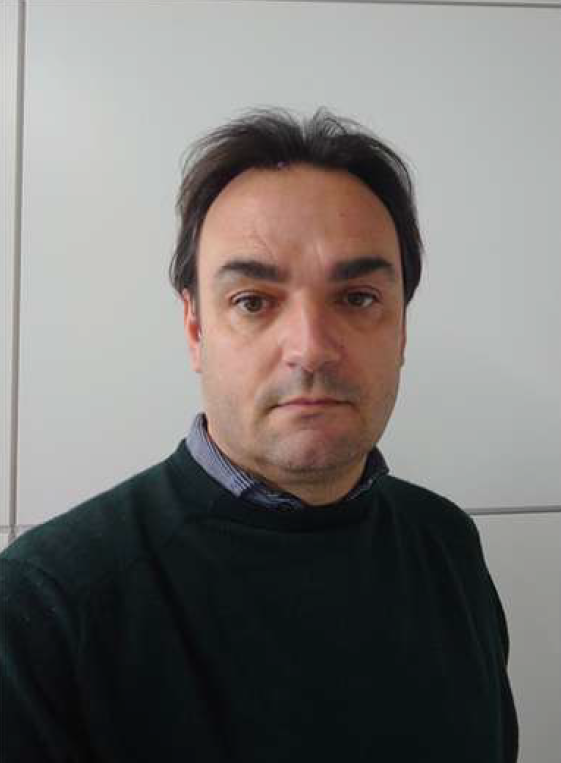
Dr. Nicolas Clément
Abstract
This presentation explores the intersection of molecular electronics and bioelectrochemistry, focusing on the development of single-molecule devices for energy and biomedical applications. We discuss the fabrication of high-frequency molecular rectennas and advanced thermal management systems at the nanoscale. A central focus is placed on "activationless" electron transfer within nanoconfined redox-DNA systems, which behave as single-energy-level quantum dots at room temperature. By leveraging biomimetic principles, we demonstrate how these molecular architectures can mimic the efficient energetics of photosynthesis and redox proteins, offering tunable reorganization energy. The talk also introduces "QBIOL," a specialized software based on point stochastic processes designed to model quantum bioelectrochemical phenomena. Finally, we present the first experimental measurement of shot noise in a chemical reaction, revealing noise suppression that parallels solid-state quantum devices. These breakthroughs provide a framework for future ultra-sensitive eDNA sensors and integrated bio-hybrid systems, bridging the gap between fundamental quantum physics and scalable technological solutions for sustainability and global health.
Biography
Dr. Nicolas Clément is a Research Director at the CNRS (French National Centre for Scientific Research) and the Director of LIMMS, a flagship International Research Laboratory (IRL) based at the University of Tokyo’s Institute of Industrial Science. With over two decades of experience in solid-state physics and nanoelectronics, his research focuses on the convergence of advanced transistors, noise, electrochemistry, and singlemolecule biophysics. He has pioneered work in molecular electronics, DNAnanotechnology-based devices, and high-sensitivity sensing platforms for biological applications. As initial lead of the EURALIMMS network (initial lead coordinator and currently deputy coordinator), Dr. Clément tries to fosters strategic collaborations between leading European and Asian research institutions to address global challenges in quantum technologies, energy, and health.
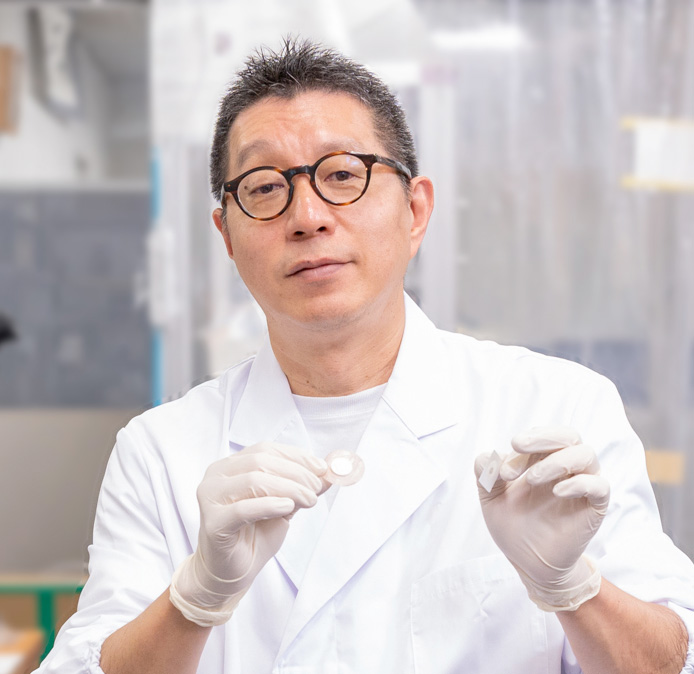
Prof. Beomjoon Kim
Abstract
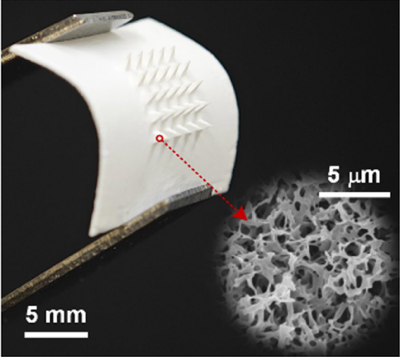
In recent years, microneedle-mediated transdermal drug delivery systems (DDSs) have emerged as promising alternatives to conventional hypodermic injection-based approaches, enabling painless, patient-friendly self-administration of biological therapeutics. Among these technologies, dissoluble microneedles have attracted considerable attention owing to their inherent safety and elimination of needle-associated risks.
We have developed novel fabrication strategies for biodegradable microneedle array patches (MAPs) that fundamentally differ from conventional processes such as stepwise casting. In this presentation, we introduce an advanced transdermal drug delivery platform based on dissoluble microneedle patches[1,2].
In parallel, we investigated a range of biosensor components to realize portable, point-of-care diagnostic devices that are disposable, user-friendly, low-cost, and highly sensitive. As part of this effort, we fabricated porous microneedles on paper substrates, establishing a unique platform for the direct integration of sensing elements. This device enables rapid and painless monitoring of interstitial skin fluid within seconds[3,4].
Furthermore, dissoluble MAPs have achieved commercial adoption over the past decade, driven by increasing interest in cosmetic and dermatological applications. We are currently collaborating with industrial partners to further enhance skin care efficacy, with a particular focus on the design of micro-sponge spicules that markedly increase skin permeability in a painless and intuitive manner.
Biography
Beomjoon Kim is a Professor at the Institute of Industrial Science, The University of Tokyo, Japan. He currently serves as Director of LIMMS-KIKO, and Director of CREMeB (Center for Research on Engineering in Medicine and Biology) at the Institute of Industrial Science. He received his B.E. degree in Mechanical Design and Production Engineering from Seoul National University, Korea, in 1993, followed by M.S. and Ph.D. degrees in Precision Engineering from The University of Tokyo, Japan, in 1995 and 1998, respectively. He was a CNRS Associate Researcher at LPMO, Besançon, France (1998–1999), and subsequently conducted research at the MESA+ Research Institute, University of Twente (1999–2000). From 2000 to 2013, he served as an Associate Professor at The University of Tokyo and was also a Co-Director of the CIRMM/CNRS Paris Office from 2001 to 2003. His research interests include the development of biosensor components for portable point-of-care diagnostic devices that are disposable, user-friendly, low-cost, and highly sensitive. He also actively investigates self-powered energy-harvesting microsensors and smart monitoring systems. In recent years, his primary research focus has centered on the development of novel transdermal drug delivery systems using dissoluble microneedle patches.
To date, he has authored 129 peer-reviewed journal articles, 273 international conference papers, 232 domestic conference papers, and numerous patents and book publications.
Dr. Aya Tanaka
for Biomimetic On-Chip Biological Models
Abstract
Recent advances in bio-MEMS and micro/nanofabrication technologies have enabled the development of platforms for understanding cellular and organ-level functions. We investigate bio-soft materials and microfabrication techniques to construct biomimetic microstructures that integrate living cells with engineered substrates. Our research aims to elucidate biological systems emerging from interactions among molecules, materials, and living organisms, and to construct novel intelligent soft materials and functional devices inspired by these insights that enable sensing, actuation, and dynamic cellular interactions in microdevices.
A key aspect of this work is the development of self-assembly processes using thin-film materials. By controlling interfacial mechanical stresses in layered structures such as graphene/parylene bilayers, three-dimensional rolled microstructures can be formed spontaneously. These structures enable the creation of brain-on-a-chip platforms in which neural aggregates are wrapped by flexible electrode arrays, allowing electrical activity from neural networks to be measured on chip. In addition, hydrogel-based microstructures fabricated through controlled buckling and delamination can form microfluidic channels and biomimetic actuators that reproduce biological motions similar to those of vascular or intestinal tissues.
These bio-soft material platforms provide a versatile approach for constructing organ- and tissue-mimetic microsystems. The integration of soft materials, microfabrication, and biosensing technologies is expected to contribute to next-generation biomedical devices and in-vitro models for drug discovery, disease modeling, and precision medicine.
Biography
Aya Tanaka received her B.Sc. in Chemistry from Hokkaido University and obtained her M.Sc. and Ph.D. in Graduate School of Science at the same university. During her graduate studies, she worked on the construction of DNA-based nanobiodevices, focusing on the design and assembly of functional nanostructures using DNA.
After joining NTT Basic Research Laboratories. Her research focuses on the microfabrication of soft materials including artificial cell arrays based on lipid bilayer membranes and microfabrication techniques for hydrogels. Through these studies, she aims to develop platforms for an on-chip biological model.
Her research interests include biomacromolecules and colloid and interface chemistry.
Prof. Wonryung Lee
Abstract
Signaling of biochemical and bioelectrical activities on biological interfaces plays a crucial role in acquiring precise and continuous physiological information. Recent progress in flexible and implantable medical electronics has enabled stable sensor attachment to complex internal tissues through mechanically adaptive designs. In this work, we present conformable organic electronic platforms designed for diverse bioapplications. The conformability of our devices is achieved through two approaches: ultra-thin structural design and the use of materials with intrinsically low Young’s modulus. Building upon this foundation for mapping bioelectrical signals in organs such as the brain and heart [1–3], we expand our platforms toward advanced biochemical sensing. Specifically, we utilized conformable substrates to fabricate microneedle arrays and implantable devices capable of continuously monitoring biochemical markers in interstitial fluids and sweat [4–6]. Furthermore, to achieve untethered and continuous operation in these sensing platforms, we integrated light-emitting diodes (LEDs) for optical information transduction [7], alongside distinctive circuit architectures for wireless power and data transmission, including inductive coupling [8] and self-powered systems [9]. This study highlights the potential of soft, bio-integrated platforms as a versatile foundation for next-generation implantable and wearable healthcare systems.
Biography
Wonryung Lee is an Associate Professor in the School of Transdisciplinary Innovations and the Department of Biomedical Sciences at Seoul National University. He received his BSc in Applied Physics from Nagoya University (2013), and his MS and PhD in Electrical Engineering from The University of Tokyo (2018). Before joining SNU, he served as a Senior Researcher at KIST and an Associate Professor at UST (2020~2025). His research focuses on next-generation organic semiconductor technologies, soft electronics, and bio-integrated platforms. His work targets the development of stretchable devices, microneedle systems, and active biosensors for continuous clinical monitoring and advanced healthcare applications.
Prof. Masahiro Nomura
Abstract
We report directional heat conduction in isotopically purified graphite using Tesla valve architectures. Through phonon hydrodynamic transport, we achieved 15% asymmetric thermal conductivity between opposing directions at 45 K, exclusively within the 25–60 K hydrodynamic regime where phonons exhibit collective fluid-like behavior. This represents the first application of Tesla valve principles to thermal transport in crystalline solids. We fabricated 90 nm thick, 4.5 μm wide suspended graphite structures from isotopically enriched material (13C reduced to 0.02%), measured via microsecond time-domain thermoreflectance. Forward-flowing phonons traverse the main channel with minimal resistance, while reverse flow is diverted through bent channels, creating thermal impedance. Control experiments with silicon Tesla valves showed no rectification, confirming phonon hydrodynamics as essential. Our geometry-based approach promises advances in electronic thermal management.
Biography
Masahiro Nomura is a Professor at the Institute of Industrial Science, The University of Tokyo. He received his Ph.D. degree in Applied Physics from the University of Tokyo in 2005. He is the Director of LIMMS/CNRS-IIS, The University of Tokyo. His current research interests include hybrid quantum science, physics and control technology of phonon/heat transport in semiconductor nanostructures, radiative heat transfer, and thermoelectric energy harvesting. The concept of his current research is "from photonics to phononics" using phononic crystals, which have some physical analogies with photonic crystals. Since 2017, he has been the chairman of the Phonon Engineering Group of the Japan Society of Applied Physics. He received 17 awards including The 16th JSPS Prize (2019), the German Innovation Award Gottfried Wagener Prize (2019).
Dr. Sebastian Volz
Abstract
We present a recent conceptual frame and its implications regarding phonon coherence. Our theoretical proposition introduces a revised heat conduction formalism that incorporates both particle-like and wave-like behaviors of thermal phonons, integrating intrinsic and mutual coherence times into a new thermal conductivity expression [1]. This approach, validated through direct atomic simulations and theoretical arguments, is particularly relevant in complex crystals but also amorphous systems, where coherence effects dominate thermal transport.
We further examine the role of short-range spatial phonon coherence in resonant systems, revealing that this coherence length—largely independent of atomic interactions—can be tuned by adjusting resonance strength and frequency, thereby offering a robust method for engineering couplings between quasi-particles [2].
Additionally, the spatiotemporal coherence of lattice vibrations is shown to govern thermal conductivity across different phases of matter, diminishing from solid to liquid but increasing from liquid to gas, a behavior linked to atomic diffusion that provides a unified understanding of thermal transport [3].
Biography
Sebastian Volz is a physicist specializing in nanoscale heat transfer and energy transport in materials. He is a Distinguished Research Professor at the CNRS and situated at École Polytechnique (France). After being the Director of LIMMS (CNRS-UTokyo joint Laboratory), he has recently become the director of the Laboratoire des Solides Irradiés (Irradiated Solids Laboratory) in Ecole Polytechnique. His research focuses on phonon transport, thermal radiation at the nanoscale, and energy conversion in nanostructured materials, combining theory, modeling, and experiments. He has contributed to the understanding of heat conduction beyond Fourier’s law and to the development of nanoscale thermal devices. He has coordinated several international collaborations and projects funded by European and national research agencies. He has published extensively in leading journals in condensed-matter physics and nanoscience and published three books.

Dr. Shao-Yu Chen
Abstract
Materials capable of light upconversion—transforming low-energy photons into higher-energy ones—are pivotal in advancing optoelectronics, energy solutions, and photocatalysis. However, the discovery in various materials pays little attention to few-layer transition metal dichalcogenides, primarily due to their indirect bandgaps and weaker light-matter interactions. Here, we report pronounced upconversion photoluminescence (UPL) in few-layer transition-metal dichalcogenides. This joint theory-experiment study attributes the UPL to a resonant exciton-exciton annihilation process involving a pair of dark excitons with opposite momenta, followed by the spontaneous emission of upconverted bright excitons, which can achieve high upconversion efficiency. Additionally, the UPL is generic in MoS2, MoSe2, WS2, and WSe2, exhibiting high tunability from green to ultraviolet light. The findings pave the way for further exploration of light upconversion, including fundamental properties and device applications, in two-dimensional semiconductors.
Biography
Dr. Shao-Yu Chen is an Assistant Research Fellow at the Center for Condensed Matter Sciences, National Taiwan University. He earned his PhD in Physics from the University of Massachusetts Amherst in 2018. Soon after, he moved to Australia to become a Research Fellow at the ARC Centre of Excellence in Future Low-Energy Electronics Technologies (FLEET) at Monash University until 2022. With extensive experience in optical spectroscopy on 2D materials, he specializes in resonant and ultralow-wavenumber Raman spectroscopy. His expertise focuses on the physics of excitons and their many-body interactions in hybrid 2D quantum materials. By creating these materials, Dr. Chen's research explores novel physical properties and functionalities not found in natural materials, offering an exceptional platform for studying the complex interactions of electrons, excitons, and phonons. Driven by a passion for pushing the boundaries of knowledge, Dr. Chen is dedicated to developing pioneering research that leverages excitons for next-generation energy applications.
Paul Bruand
Abstract
Context
The exponential growth of global data production, projected to reach 1 yottabyte (1024) annually by 2030, demands storage solutions that surpass the density and durability limits of conventional electronic and magnetic media. DNA offers ultra-dense and stable storage, but high costs and slow synthesis remain major barriers. We aim to address this challenge by developing a rapid, spatially controlled DNA writing method.
Experimental
We repurposed Next-Generation Sequencing flowcell, as patterned solid support for DNA synthesis. By generating spatially localized DNA clusters, we create a high-density, addressable surface. After sequencing and mapping the positions of these clusters, we integrate the flow cell into a custom fluidic system. This enables optical triggering of DNA strand collection from specific cluster groups. Collected strands are then amplified and sequenced for verification.
Results
As a proof of concept, we demonstrate the encoding of kilobyte-scale information in the form of a pattern. Post-sequencing, we have accurately reconstructed the pattern. Current efforts focus on scaling up data capacity, with the goal of achieving practical, high-throughput DNA data storage.
Audrey Cochard
Abstract
DNA nanostar hydrogels form readily through a two-step process: (i) the self-assembly of as few as three complementary strands into Y-shaped motifs; (ii) liquid-liquid phase separation (LLPS) and further assembly via palindromic sticky-end binding to create a gel network. Their inherent programmability, functionalization capacity, and biocompatibility position them as compelling alternatives to natural and synthetic hydrogels, addressing the limited tunability of the former and the biocompatibility concerns of the latter. Previously, we demonstrated their potential in cell isolation by functionalizing hydrogels with antibody-conjugated DNA motifs (Bourdon et al. Advanced Materials Interfaces (2025)). However, two critical limitations still constrain the practical application of DNA hydrogels as cell matrices: (i) the susceptibility to nuclease degradation in physiological environments and (ii) their poor mechanical stability, often resulting in hydrogel breakage during routine handling. In this work, we show that sticky-end ligation, i.e. the formation of covalent phosphodiester bonds between DNA motifs, fundamentally reconfigures hydrogel properties. By controlling the degree of ligation, we achieved tunable material reconfiguration.
Ligation induces strand rearrangement, imparting gel-like properties and eliminating macroscopic reversibility. Mechanically, ligated hydrogels exhibit robust stability, enabling manipulation via pipetting and 3D printing. Critically, ligation confers high nuclease resistance, significantly slowing digestion in serum-supplemented media. As a proof of concept, we successfully encapsulated cells within ligated DNA hydrogels and maintained their viability for one week in culture. Ultimately, we envision the use of DNA hydrogels as programmable biomaterials, for example in tissue engineering.
Elouan Julien
Abstract
Cell-scale logic units are a promising tool for future clinical applications, including targeted drug delivery and in situ therapeutic decision-making. However, engineering complex and reliable behaviors at the individual level of units is still challenging due to constraints in size, robustness. Drawing inspiration from swarm intelligence, this project explores the extent to which controllability and programmability can emerge at the collective level. While each individual unit encapsulates relatively simple programs, complex behaviors can arise through cell-to-cell communication.
Beyond the technological potential, these artificial cell systems also provide an experimental framework that allows us to study the emergence of life. We hope to offer insights into the principles governing biological organization, communication, and coordination.
This project is structured around two main axes:
-First, giant unilamellar vesicles (GUVs), composed of lipid bilayers, are engineered as compartments for molecular encapsulation. These vesicles function as cell-like units capable of hosting biochemical processes. Within them, communication strategies are implemented and compared, including the use of membrane-permeable signaling molecules or pore-forming proteins.
-Second, DNA-based computational circuits are put inside the vesicles, enabling the processing of molecular inputs into programmable outputs. Both signal production and signal reception can be integrated within a single DNA reaction network, allowing for information exchange between units.
The production of GUVs with tunable and heterogeneous contents is achieved using custom-designed microfluidic devices, enabling precise control over encapsulated components and membrane composition. Using microfluidics to create the GUV, we also hope to get more control over the size of the vesicles, while having high-throughput GUV creation.
Sungyeol Kwak
- Department of Electrical and Computer Engineering, Seoul National University (SNU)
- Department of Material Science and Engineering, SNU
- Department of Chemical Engineering and Green Energy
- Seoul National University Energy Initiative (SNUEI)
- SOFT Foundry Institute, SNU
- Inter-university Semiconductor Research Center, SNU
Abstract
Fluid memristors have emerged as a promising class of neuromorphic devices by emulating ion-mediated signal processing in biological synapses. However, most previously reported memristors operate at relatively high voltages (≥100 mV) and rely on non-biocompatible ionic species such as Ag⁺, which limits their suitability for low-power neuromorphic systems and direct interfacing with bio-potential-level signals. Here, we present a nanofluidic memristor based on a three-dimensional asymmetric architecture integrated with nanoporous hydrogel PN junctions. By leveraging coupled electric, diffusive, and electrohydrodynamic ion transport mechanisms, the device exhibits pronounced hysteresis, nonlinear memory characteristics, and synaptic plasticity under genuine bio-potential-level stimulation. The hydrogel-based architecture further provides intrinsic biocompatibility while enabling low-energy operation. The proposed device demonstrates (i) synaptic plasticity at voltages of only a few millivolts, (ii) reliable responses to low-amplitude input signals down to 100 µV, and (iii) fast neuromorphic dynamics under sub-microsecond pulse excitation. These results establish the nanofluidic memristor as a viable platform for low-voltage neuromorphic computing and suggest a pathway toward biocompatible and energy-efficient interface systems beyond conventional solid-state memristors.
Emma Brix
Abstract
Benthic foraminifera, marine unicellular eukaryotes, precipitate calcitic shells through complex biomineralization processes. While these organisms play a crucial role in paleoclimatology and global biogeochemical cycles, the sub-cellular mechanisms driving their calcification remain poorly understood. To decode these pathways, we integrate genomic, transcriptomic, and proteomic analyses with synthetic biology. By identifying and characterizing key enzymes and structural proteins involved in biomineralization, we inform the design of synthetic cells: phospholipid vesicles equipped with a synthetic extracellular matrix that recapitulate foraminiferal calcification.
Using Cell-Free Protein Synthesis (CFPS), we express candidate proteins within these synthetic cells. Microfluidic techniques enable high-throughput generation of vesicles, allowing us to systematically investigate calcium carbonate nucleation dynamics under controlled environmental conditions. Here, we show our preliminary results in assembling a synthetic cell tailored for biomineralization.
This platform not only advances our understanding of biomineralization but also serves as a versatile bioengineering tool. By leveraging precise control over mineralization, we aim to develop applications in bottom-up nano-printing of 3D biocompatible porous shapes, with potential uses in tissue engineering and regenerative medicine. The integration of omics-driven insights with synthetic biology in marine biology context positions this system as a powerful approach for designing biomimetic materials and exploring fundamental biological processes.
Jihee Park
Abstract
Dendrite formation on metal anodes is closely associated with ion depletion and concentration polarization at the electrode-electrolyte interface during electrochemical charging. When ion transport toward the electrode surface cannot keep pace with the deposition rate, ion depletion develops near the interface, leading to interfacial instability and directional dendritic growth.
To alleviate such transport limitations, highly concentrated electrolytes have been proposed; however, the actual interfacial environment is governed by coupled nanoelectrokinetic phenomena, including steep concentration gradients and amplified local electric fields. These effects alter interfacial transport conditions and can further promote dendrite growth.
In this work, we present a transparent microfluidic platform that enables in operando observation of the electrode–electrolyte interface. Fluorescent tracers are employed to visualize interfacial concentration and flow dynamics, while microscale electrochemical probes are used to monitor local electric fields and ion depletion behavior. This approach provides an experimental basis for understanding the nanoelectrokinetic mechanisms governing dendrite growth and offers insights into controlling interfacial stability in electrochemical energy systems.
Shin-Yeong Kim
Abstract
All-solid-state batteries (ASSBs) are promising next-generation energy-storage systems because they offer improved safety and potentially high energy density when coupled with Li metal anodes. However, their practical implementation remains limited by interfacial instability and crack formation in solid electrolytes, which lead to non-uniform Li deposition and eventual short-circuiting. In this presentation, I will discuss our efforts to elucidate these failure mechanisms using operando X-ray imaging and to correlate structural evolution with electrochemical behavior.
First, I will introduce an anode-free ASSB system based on co-sputtered AgSi alloy interlayers. By incorporating a small amount of Si into an Ag-based anode-free electrode, we achieved improved cycling stability through interfacial regulation. Operando transmission X-ray microscopy (TXM) and 3D X-ray computed tomography (CT) showed that, unlike bare stainless-steel substrates where Li rapidly penetrates the solid electrolyte and induces cracks, the AgSi-coated substrate enabled flatter and more stable Li growth. Combined with FIB-SEM analysis, the results suggest that Ag serves as a lithiophilic seed layer, while a thin Si-derived interfacial layer stabilizes contact between deposited Li and the solid electrolyte. Notably, only a minimal Si content was beneficial, whereas excessive Si promoted agglomeration and disrupted the protective phase-separated structure.
Second, I will present a mechanistic study of crack formation in sulfide-based symmetric cells using operando TXM, 3D X-ray CT, and in-situ electrochemical impedance spectroscopy (EIS). In addition to the well-known vertical cracks formed at high current densities, our results show that diagonal cracks can develop even at much lower current densities where conventional electrochemical profiles appear stable. Based on this, we propose a crack-diagnosis strategy combining critical current density testing with in-situ EIS, where sudden changes in charge-transfer resistance indicate diagonal crack initiation.
Ikcheon Na
- Department of Chemistry, Seoul National University
- Samsung Advanced Institute of Technology (SAIT)
- Samsung Electronics Co.
Abstract
Anode-less all-solid-state batteries (AL-ASSBs) are a promising next-generation battery configuration because they can achieve extremely high energy density by eliminating excess anode material. In particular, Ag-C interlayers have been widely adopted to promote stable Li plating and stripping. However, stable cycling in ASSBs generally requires relatively high stack pressure to maintain stable solid-solid interfacial contact. Our Ag-C interlayer-based AL-ASSBs also require approximately 4 MPa for stable electrochemical operation. Reducing the stack pressure remains an important challenge for the practical implementation of AL-ASSBs.
In this study, we investigated the behavior of Ag-C interlayer-based AL-ASSBs under a substantially lower stack pressure. The evolution of the anode under low-pressure operation was examined through structural and phase analyses. The results revealed distinct structural changes in the Ag-C interlayer and heterogeneous Li plating behavior under reduced pressure, which were closely associated with rapid performance degradation. Based on these observations, an operation strategy was developed to mitigate the degradation process. With this strategy, the cell achieved electrochemical performance under low stack pressure comparable to that obtained under the conventional 4 MPa condition. These findings provide mechanistic insight into the origin of low-pressure failure in AL-ASSBs and suggest a practical strategy for stable low-pressure operation.
Yu Jae Jang
Abstract
For the widespread commercialization of polymer electrolyte membrane water electrolyzers (PEMWEs), reducing the cost of bipolar plates is essential because conventional titanium-based plates significantly increase stack cost. Replacing Ti bipolar plates with stainless steel is a promising route to cost reduction, but practical application has been limited by the harsh anodic environment and the insufficient durability of previously reported coatings. In this study, the operating environment experienced by PEMWE bipolar plates was redefined to provide a more realistic basis for material design. A simple in situ/in operando method was developed to directly measure bipolar-plate potential during PEMWE operation. The results showed that the actual bipolar-plate potential is decoupled from the cell voltage because of the ionic resistance of the porous transport layer and remains within 1.23–1.6 VRHE. Based on this revised potential window, a stainless steel bipolar plate coated with a high-temperature-deposited Ti thin film was developed. Elevated-temperature deposition promoted film densification through enhanced adatom mobility, grain growth, and compressive stress, thereby reducing defects such as pores and open grain boundaries that can serve as corrosion pathways. As a result, the optimized Ti-coated stainless steel bipolar plate achieved a corrosion current density as low as 1.5 μA cm⁻² at 1.6 VRHE and showed comparable initial cell performance to that of a commercial Ti bipolar plate. In addition, replacing bulk Ti with Ti-coated stainless steel is expected to reduce bipolar-plate material cost by more than 80%. These findings demonstrate a practical strategy for achieving both durability and cost reduction in PEMWEs.